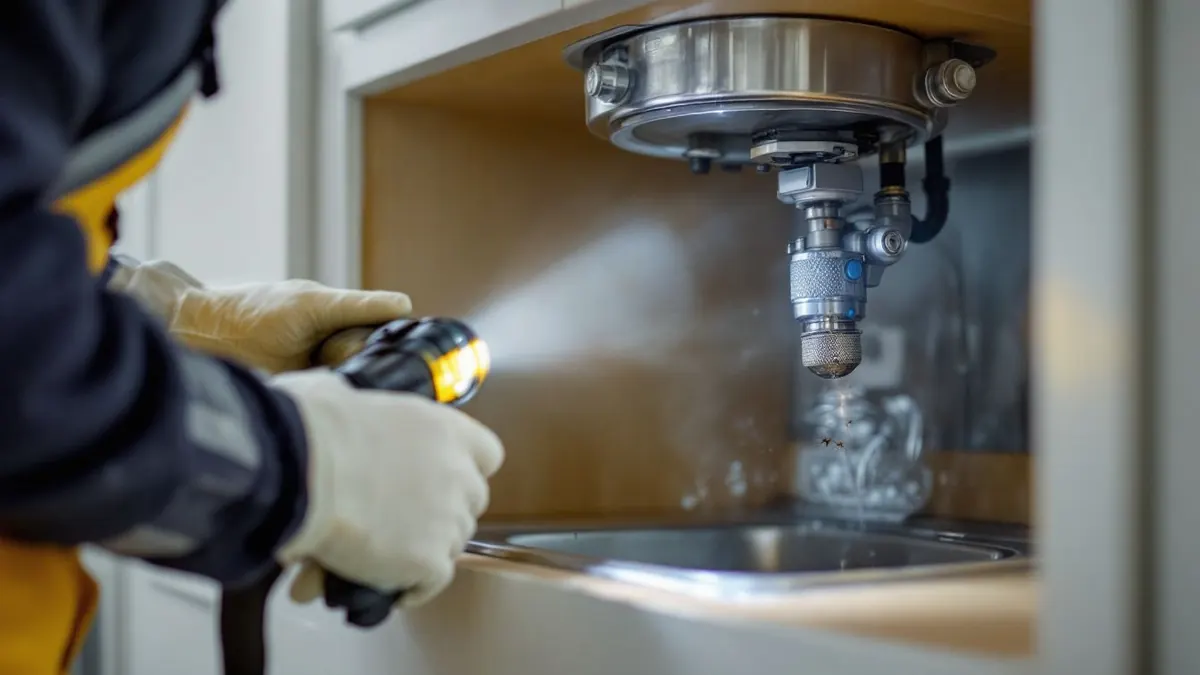
A termite inspection is the fastest way to find out whether you have an active colony, old damage or conditions that invite termites. Many pest control companies inspect for free when they might be doing the treatment. Inspections done for a home sale or refinance — called wood-destroying insect (WDI) inspections — are usually a paid, separate service, often around $75–$300 depending on the home and the market.
Free vs paid termite inspections
| Type | Typical cost | When you'd use it |
|---|---|---|
| Free company inspection | $0 | You suspect termites or want a prevention plan quoted |
| Standalone inspection | ~$75 – $300 | You want an independent check with a written report |
| Real estate / WDI report | ~$75 – $300 | Buying, selling or refinancing; lender or buyer requires it |
| Annual inspection under a bond | Often included | You already have a termite warranty |
A free inspection is a genuine service, but the company is also hoping to sell treatment. If the recommendation is a large job, it's reasonable to get a second opinion.
What the inspector checks
- Exterior: foundation walls, slab edges, porches, decks, wood touching soil, mulch beds, gutters and downspouts
- Crawl space or basement: piers, sill plates, floor joists and subflooring for mud tubes and damage
- Interior: baseboards, door and window frames, bathrooms and kitchens (moisture areas), garage
- Attic: framing and roof sheathing, especially for drywood termites in warm states
- Conducive conditions: leaks, standing water, wood-to-soil contact, poor ventilation
Inspectors look for live termites, mud tubes, swarmer wings, frass (droppings) and damaged wood, and may use moisture meters or probing tools. Expect about 30 minutes to 1.5 hours for a typical home.
Termite inspections for real estate (WDI / NPMA-33)
When a house is sold, the buyer, the lender or the loan program may require a wood-destroying insect inspection. In many states the inspector uses a standardized form such as the NPMA-33. Some loan programs, including certain VA and FHA loans, may require a WDI report depending on the state and the appraiser. The report notes active infestation, past damage and previous treatment — it isn't a structural engineering report.
Reports are usually only considered current for a limited period before closing, so schedule the inspection close to your closing date. Your lender or agent will tell you what they need.
How to prepare
- Clear access to the crawl space, attic hatch and under sinks.
- Move stored items away from garage and basement walls.
- Note anything you've seen: wings, sawdust-like piles, tubes, soft wood.
- Have any previous treatment paperwork or warranty ready.
What happens if termites are found?
You'll get a description of where activity was found and treatment options — typically liquid treatment or bait stations for subterranean termites, or spot treatment, heat or fumigation for drywood termites. Compare prices in our termite treatment cost guide and read about termite bonds before you sign a plan.
Frequently asked questions
How often should I get a termite inspection?
Once a year is the usual recommendation, especially in states with heavy termite pressure. Check your state on our termite risk by state page.
Is a free termite inspection really free?
Usually yes — there's no charge for the visit. The company hopes you'll buy treatment or a prevention plan, so ask for a written report and photos of anything they find.
Who pays for the termite inspection when buying a house?
It depends on the contract and the loan. Often the buyer pays, but in some areas and loan types the seller does. It's negotiable.
Can a home inspector do a termite inspection?
In many states WDI inspections must be done by a licensed pest control professional. Some home inspectors hold that license; many don't, so check before you book.