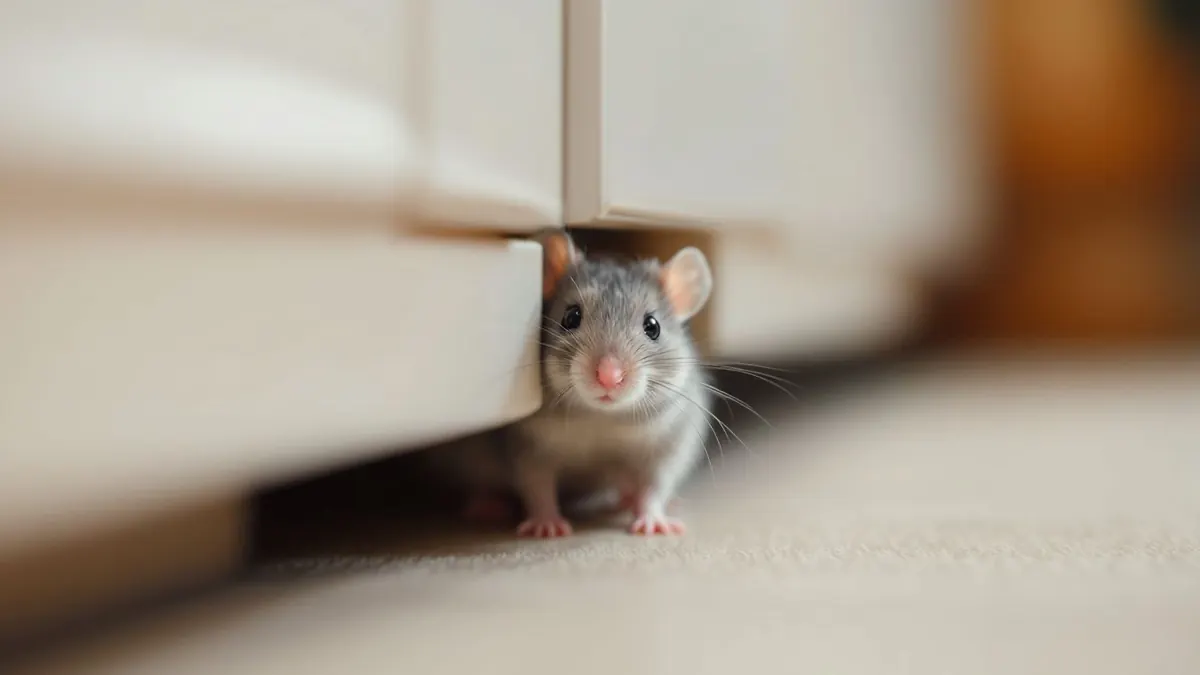
Repellents are tempting: plug something in or spray a scent, and the mice leave. Unfortunately the evidence for most mouse repellents is weak, and none replace sealing the gaps mice use to get in.
Repellents rated
| Repellent | Evidence | Verdict |
|---|---|---|
| Peppermint oil | Limited; scent fades within days | May slightly deter in small spaces; not a solution |
| Ultrasonic plug-ins | Studies show little lasting effect; mice adapt | Not recommended as a main method |
| Mothballs | Toxic fumes; not labeled for this use indoors | Avoid — health risk to people and pets |
| Dryer sheets, irish spring soap | Anecdotal | Unlikely to work |
| Commercial botanical sprays | Short-lived | Minor help at best |
| Predator urine | Mixed | Unreliable indoors |
| Steel wool + sealant | Physical barrier | Works — this is exclusion, not repelling |
Why repellents usually fail
Mice come in for food, warmth and shelter. A smell or sound is a small inconvenience compared with a warm wall and a pantry. Mice also habituate to repeated stimuli, which is why ultrasonic devices often seem to work for a few days and then stop.
What actually keeps mice out
- Seal entry points with steel wool or copper mesh plus sealant, hardware cloth or sheet metal.
- Remove food sources: sealed containers, pet food put away at night, crumbs cleaned up.
- Reduce clutter in garages, basements and closets.
- Trap mice already inside — snap traps or humane live traps.
- Keep vegetation and firewood away from the foundation.
Full guide: how to get rid of mice.
When to call a pro
Ongoing activity, mice in walls or the attic, or rat signs. A professional exclusion job finds gaps you may never spot. See rodent control and rodent removal cost.
Frequently asked questions
Does peppermint oil keep mice away?
It may deter mice briefly in a small, enclosed area, but the scent fades quickly and it won't drive out an established population.
Do ultrasonic mouse repellers work?
Research generally hasn't shown lasting effectiveness. Mice tend to get used to the sound, and it doesn't pass through walls or furniture.
What smell do mice hate most?
Mice may avoid strong scents like peppermint or ammonia briefly, but no smell reliably keeps them out. Sealing entry points does.